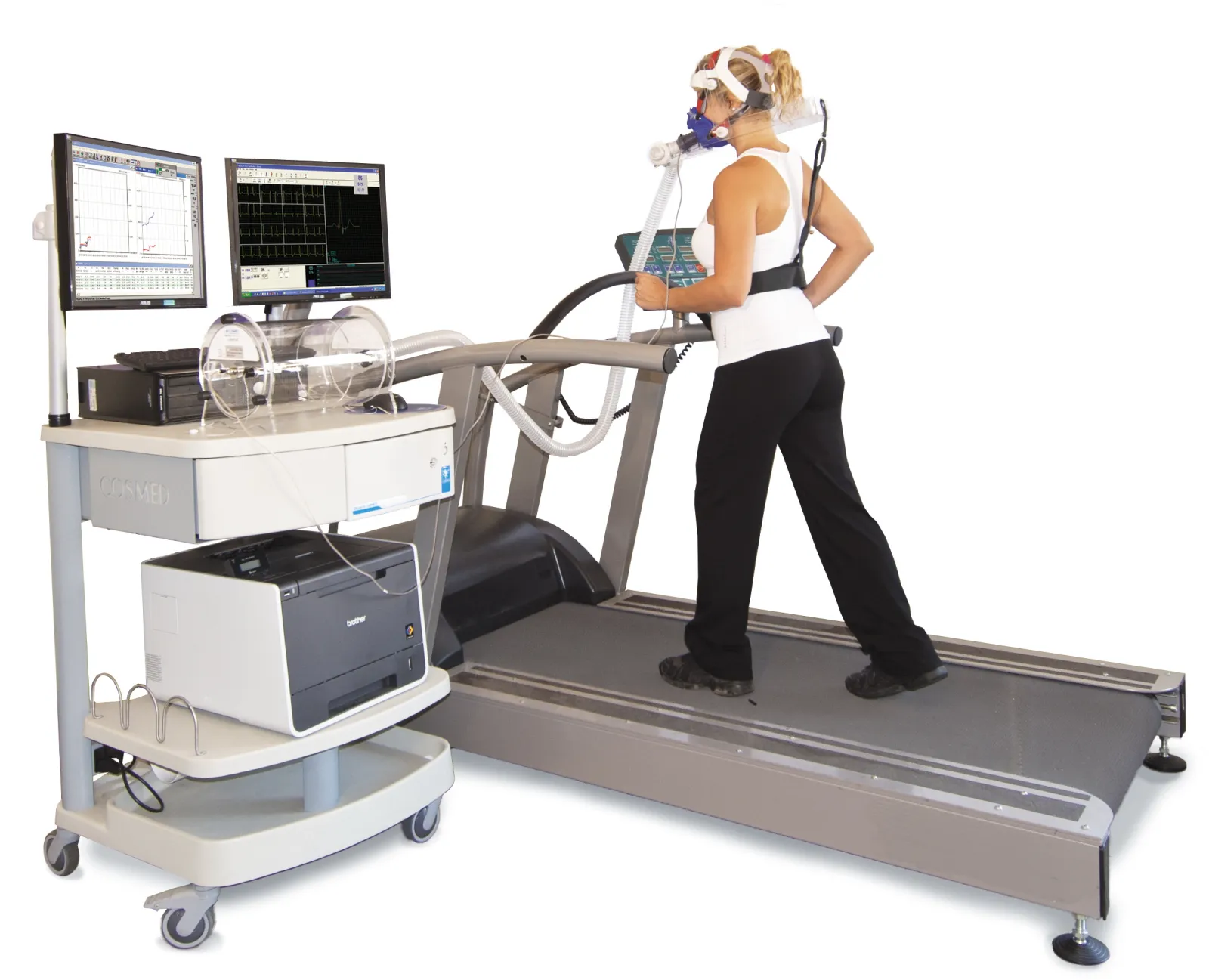
CPET (Cardiopulmonary Exercise Testing)
Graded exercise testing equipment used to assess combined heart and lung function.
Photo: Cosmed (CC BY-SA 3.0)Equipment
Every device below is used only within its approved indication and by trained staff.
Photos are representative stock images until on-site photos of our own units are added.
Assessment technology used to inform, not replace, clinical judgment during your structured work-up.
Graded exercise testing equipment used to assess combined heart and lung function.
Photo: Cosmed (CC BY-SA 3.0)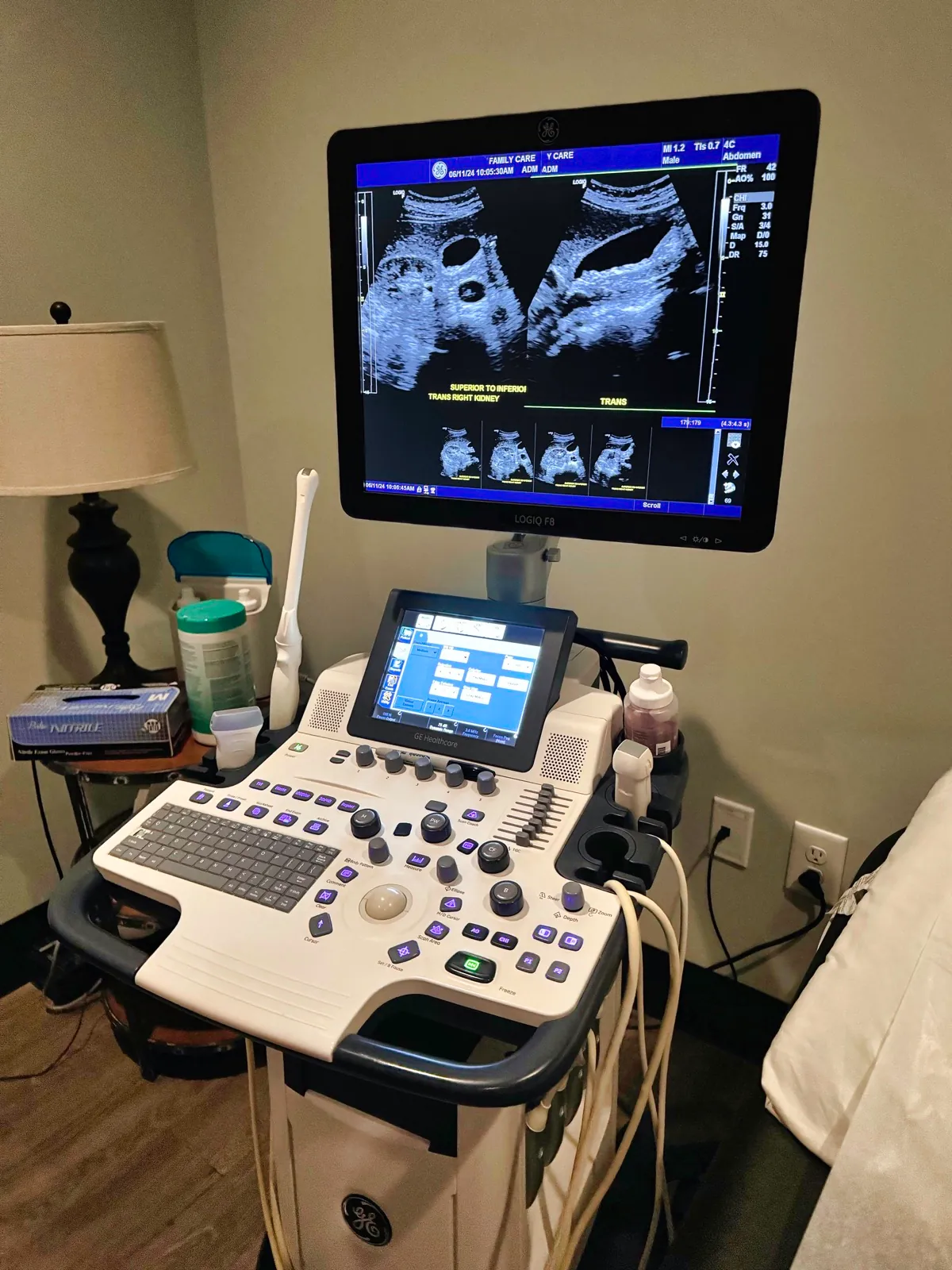
Diagnostic ultrasound used for imaging and guidance during structured assessment.
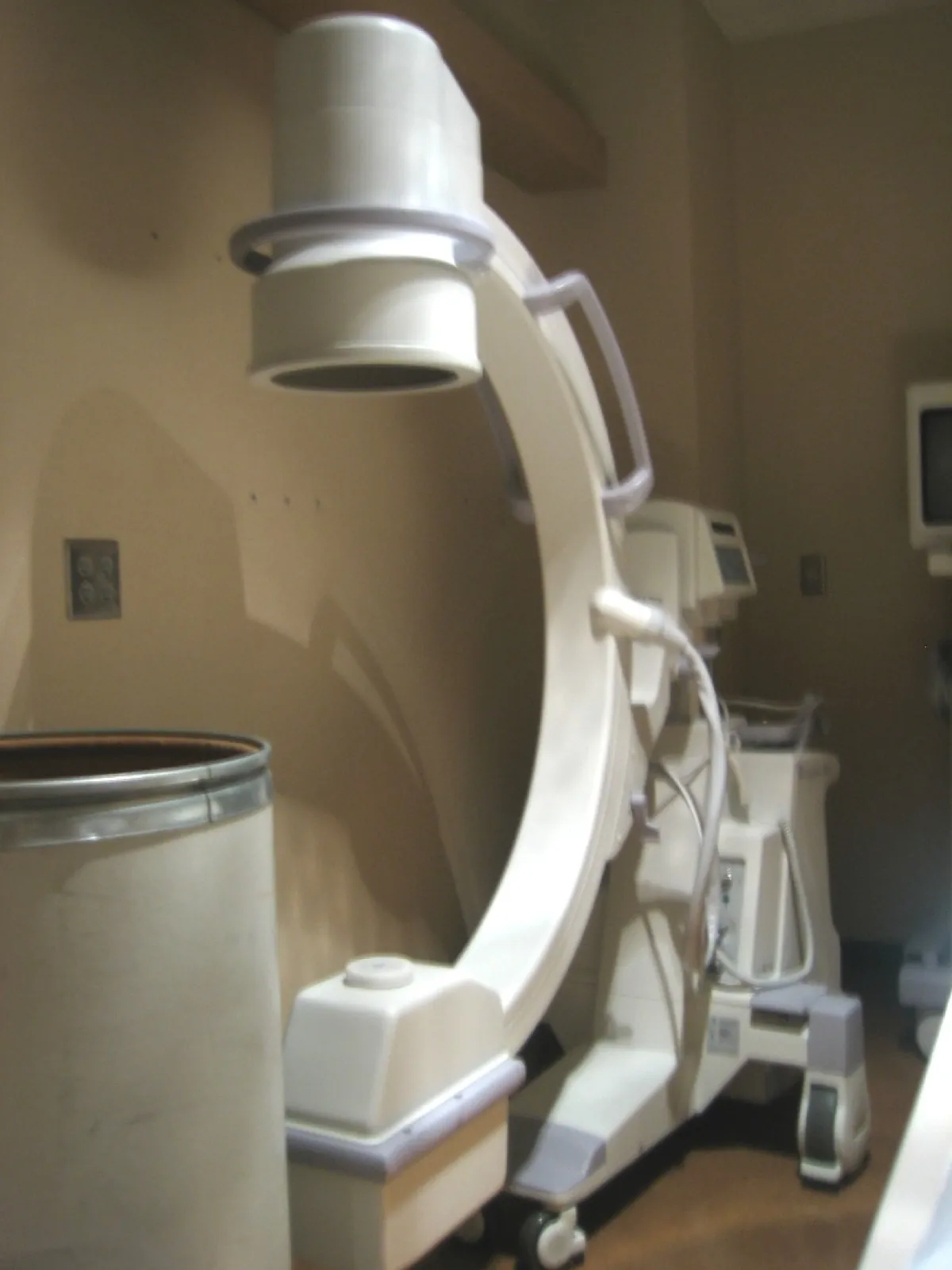
A mobile fluoroscopy (C-arm) unit used for real-time imaging during select procedures.
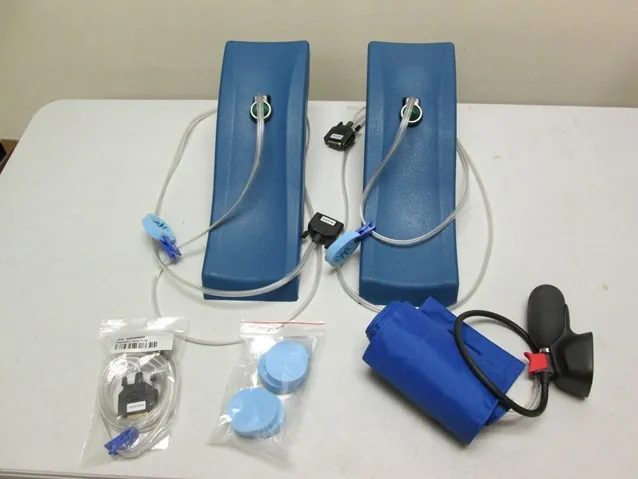
Fingertip probes and a timed cuff occlusion that measure how well blood vessels respond, an early marker of vascular health.
Photo: Kitmondo LAB (CC BY 2.0)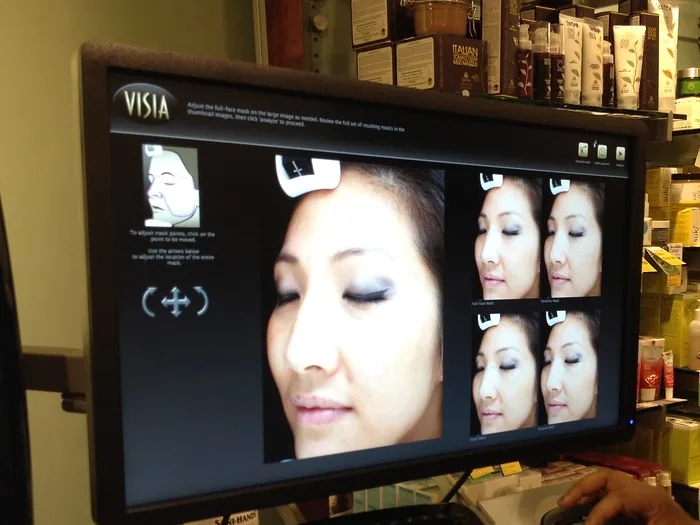
A standardized camera booth that maps skin texture, pigmentation and visible ageing markers to track change over time.
Photo: jencu (CC BY 2.0)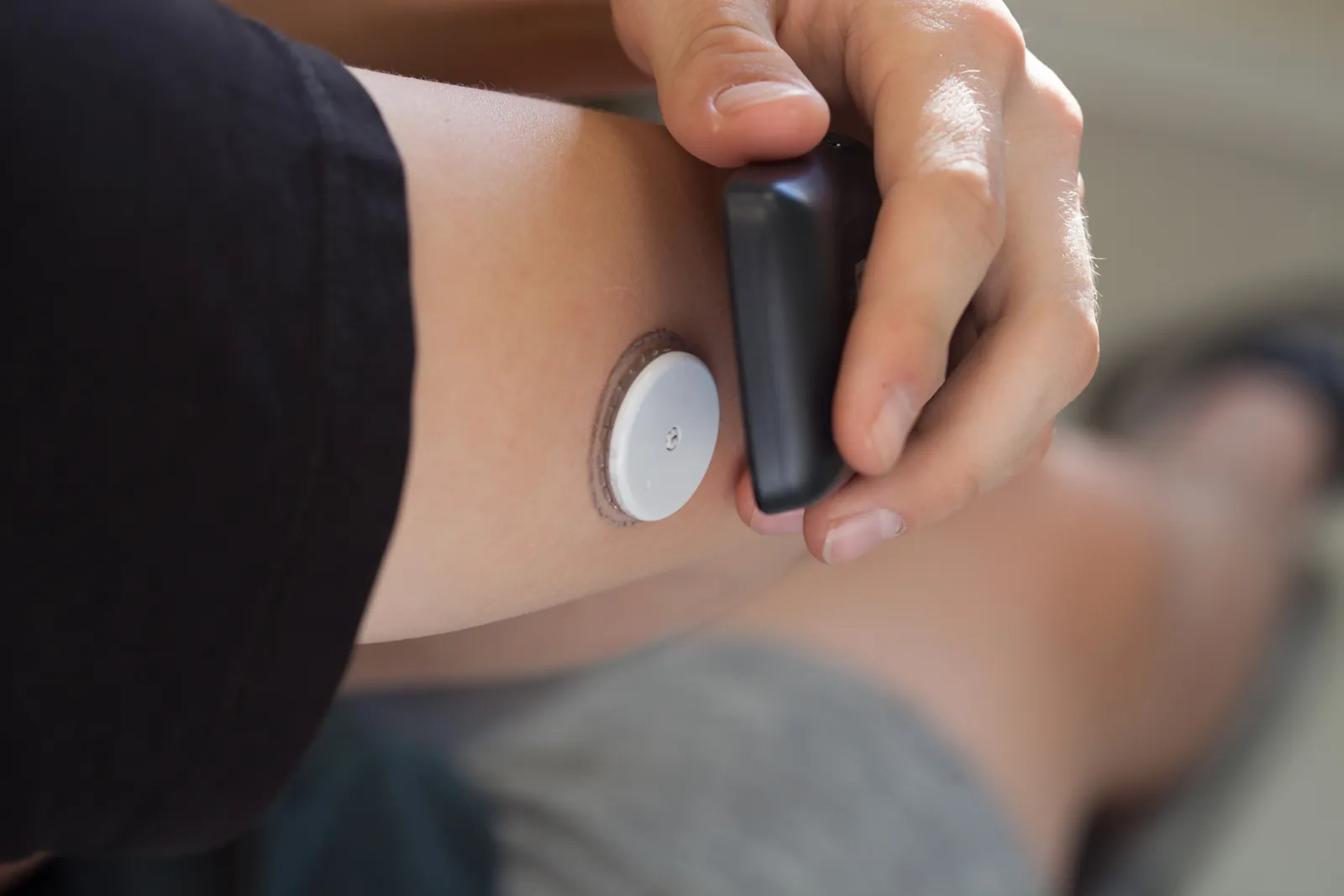
A small wearable sensor worn for 10 to 14 days that records real-world glucose patterns a single blood draw can't show.
Photo: Thirunavukkarasye-Raveendran (CC BY 4.0)Used strictly within clinically and legally approved scope; see exclusions on our care area pages.
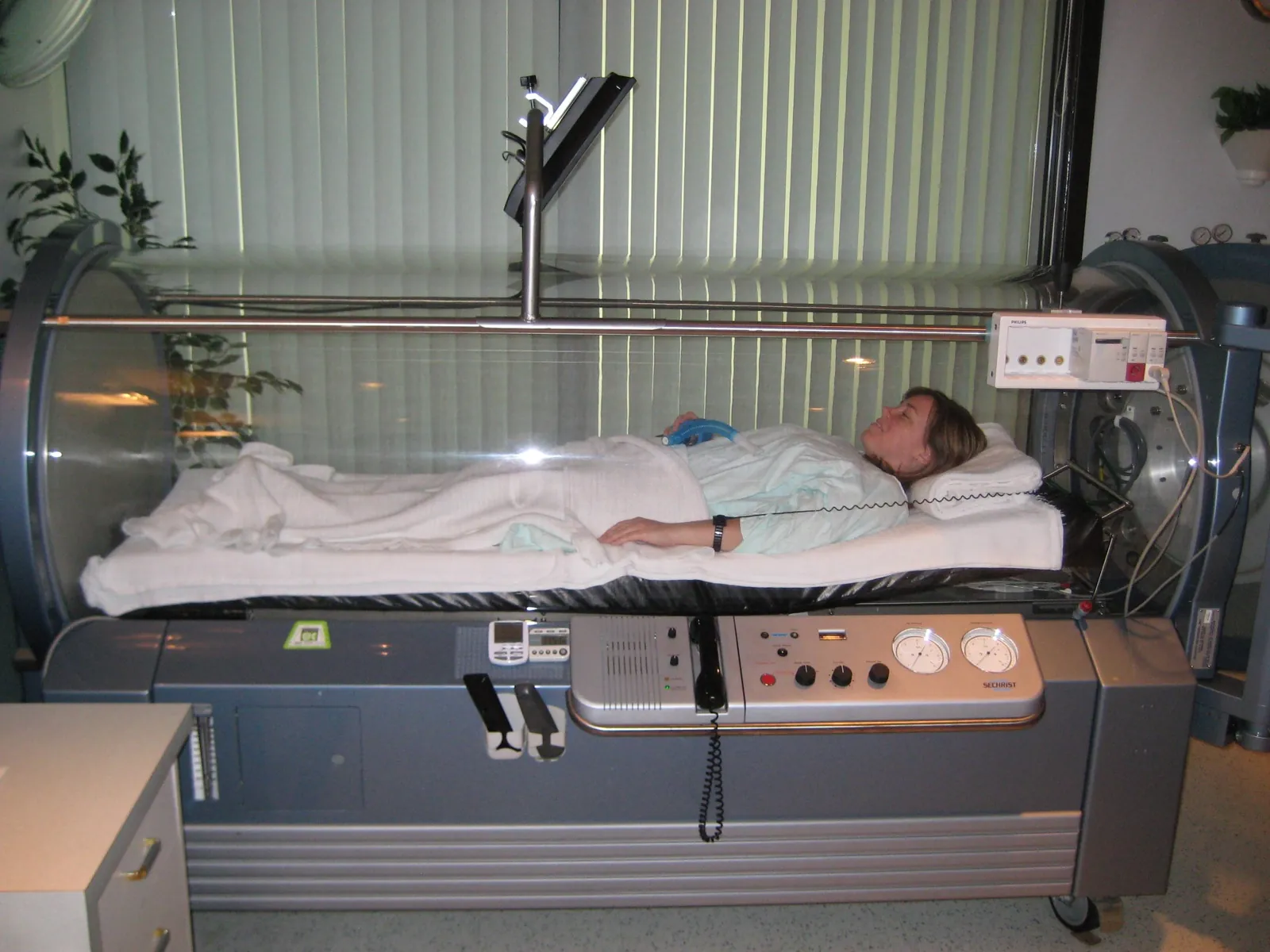
A pressurized chamber delivering oxygen at increased atmospheric pressure under continuous clinical supervision.
Photo: James Heilman, MD (CC BY-SA 3.0)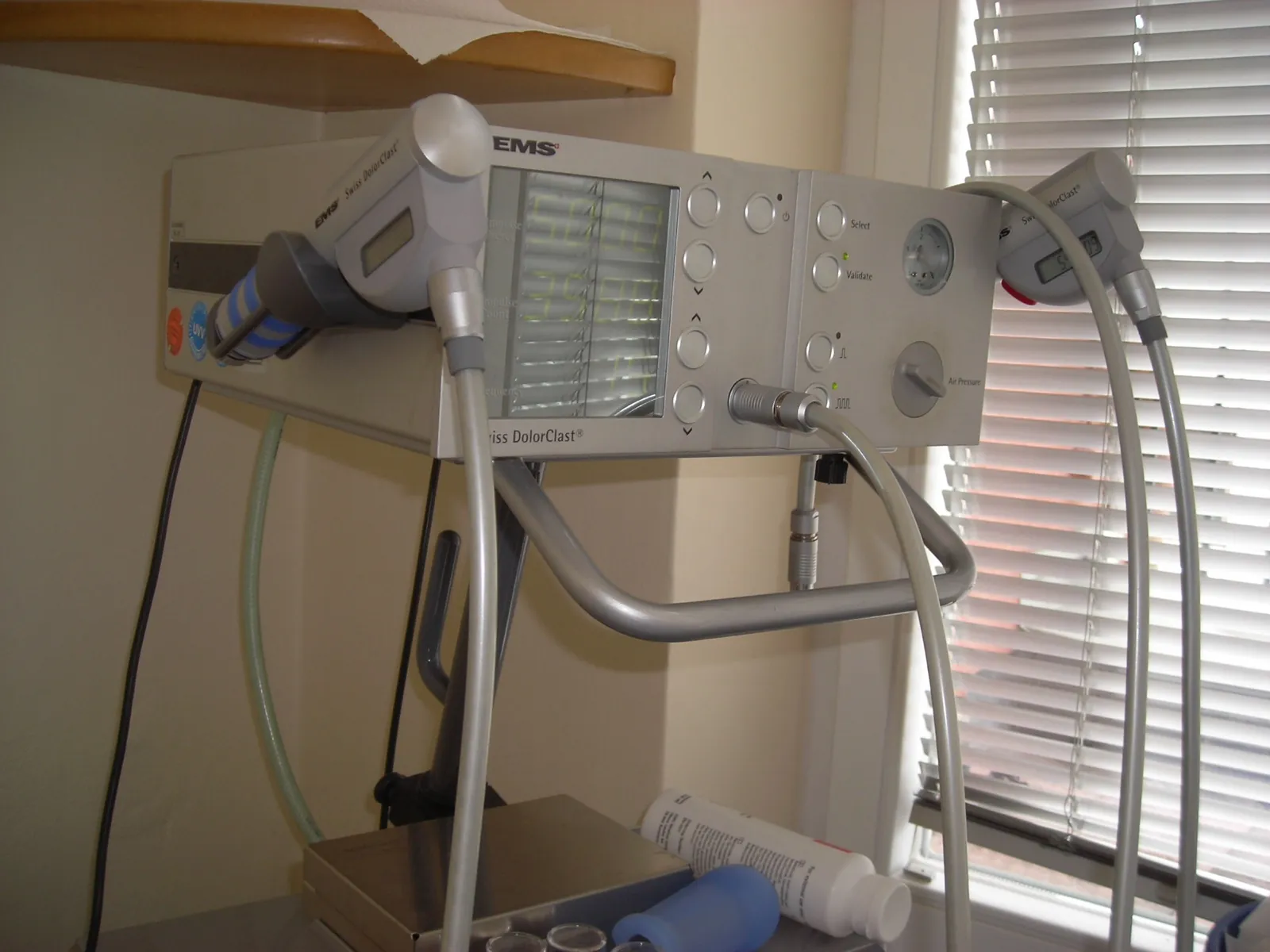
Extracorporeal shockwave therapy used for select musculoskeletal and regenerative applications, within approved scope.
Photo: Mattes (CC BY-SA 3.0)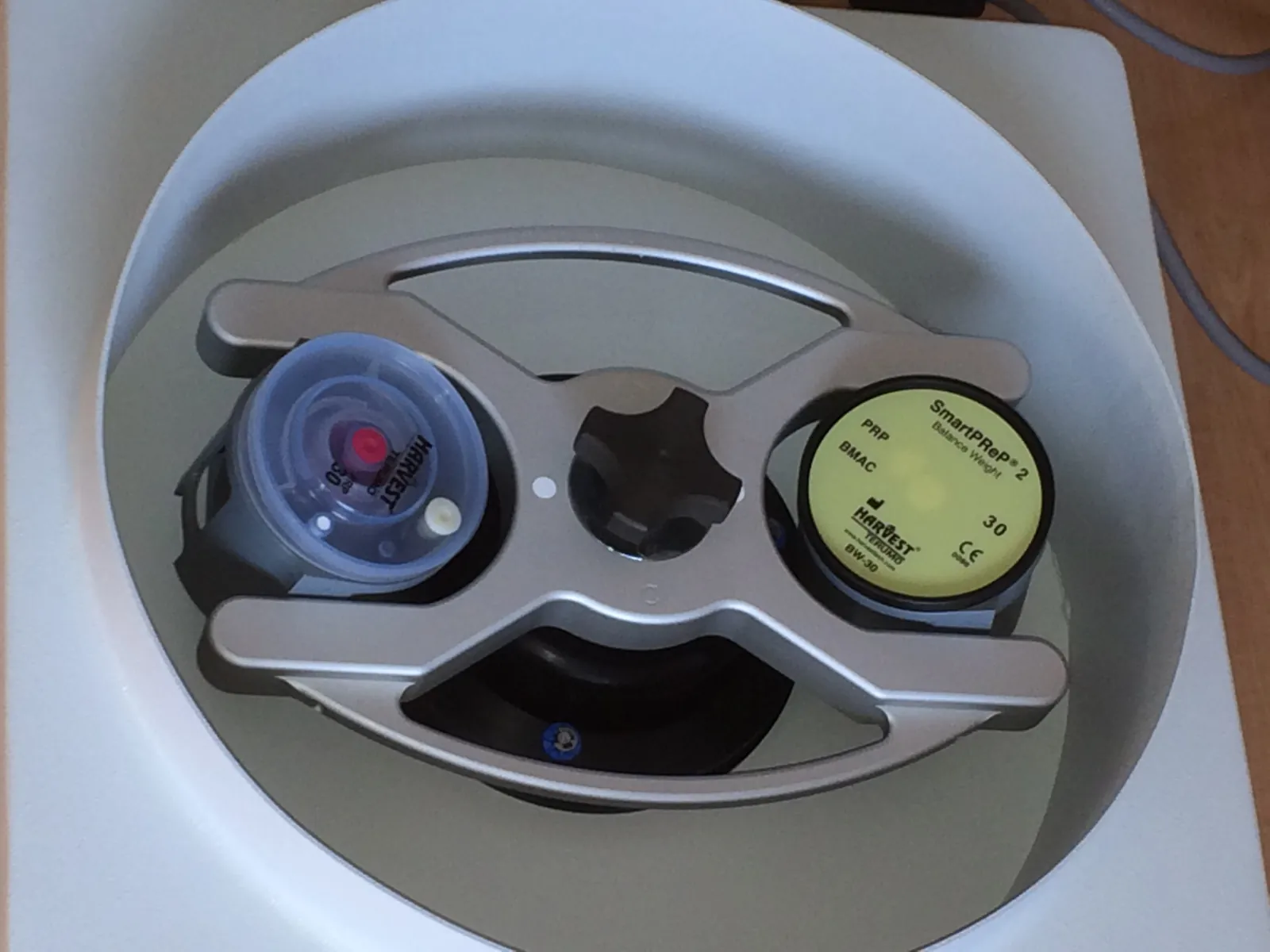
Spins a small sample of your own blood to concentrate its platelets before injection, sometimes under ultrasound guidance.
Photo: Pradeep Albert MD (CC BY-SA 3.0)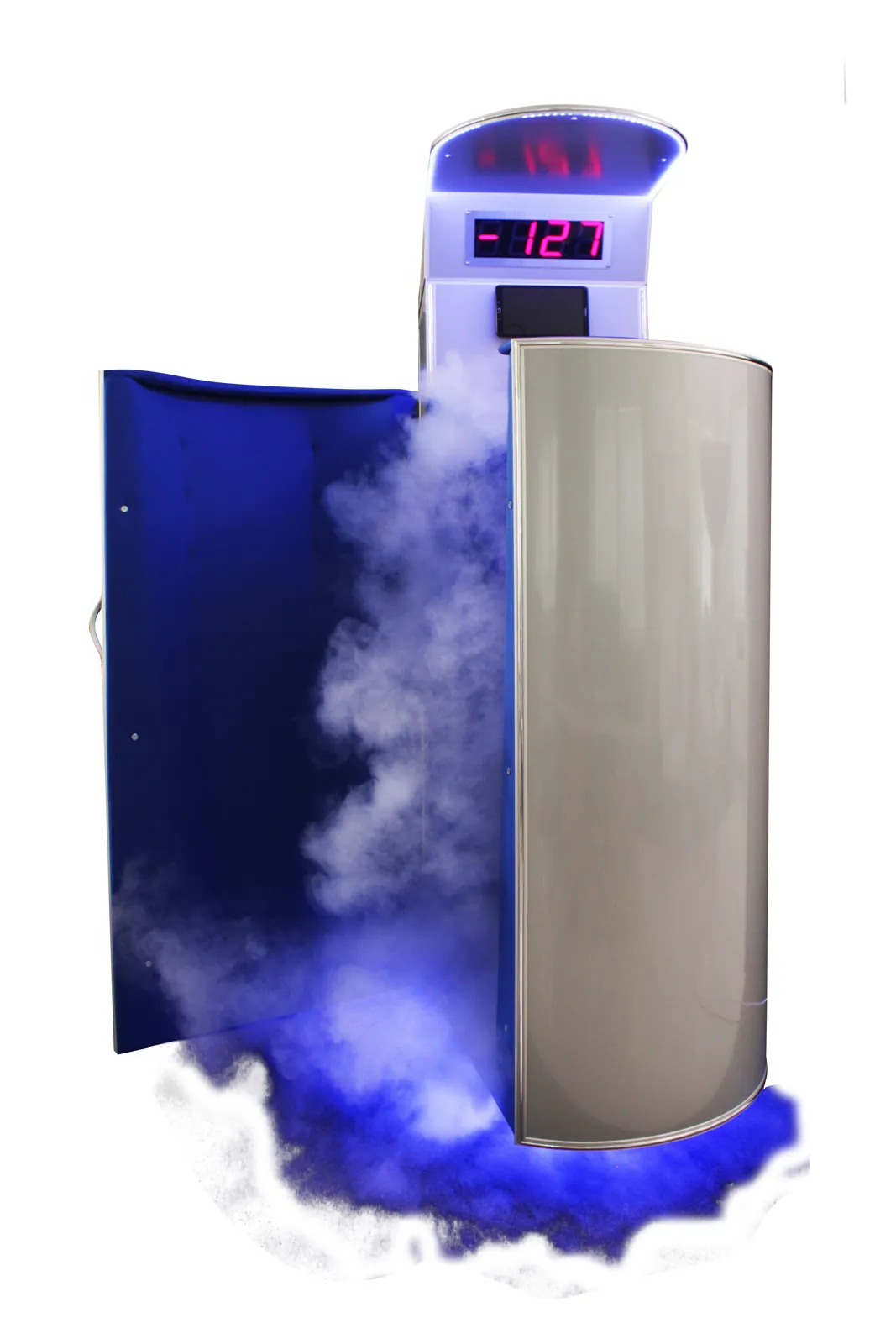
Supervised whole-body cold exposure of 2 to 3 minutes, used as a recovery adjunct after safety screening.
Photo: cryomedpro.com (CC BY-SA 4.0)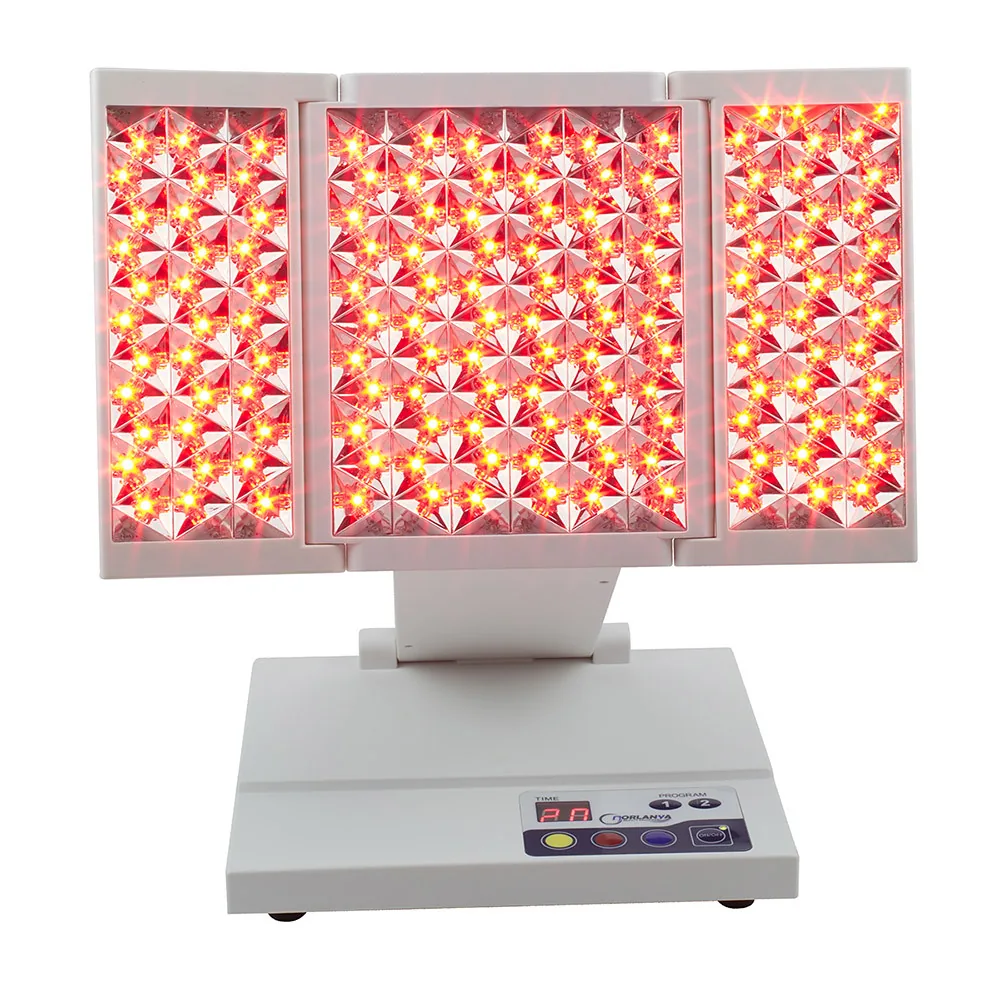
Red and near-infrared light panels used for photobiomodulation, as an adjunct with indication-specific evidence.
Photo: Norlanya (CC BY 2.0)Physician-led, device-based skin treatments, matched to your skin type after assessment.
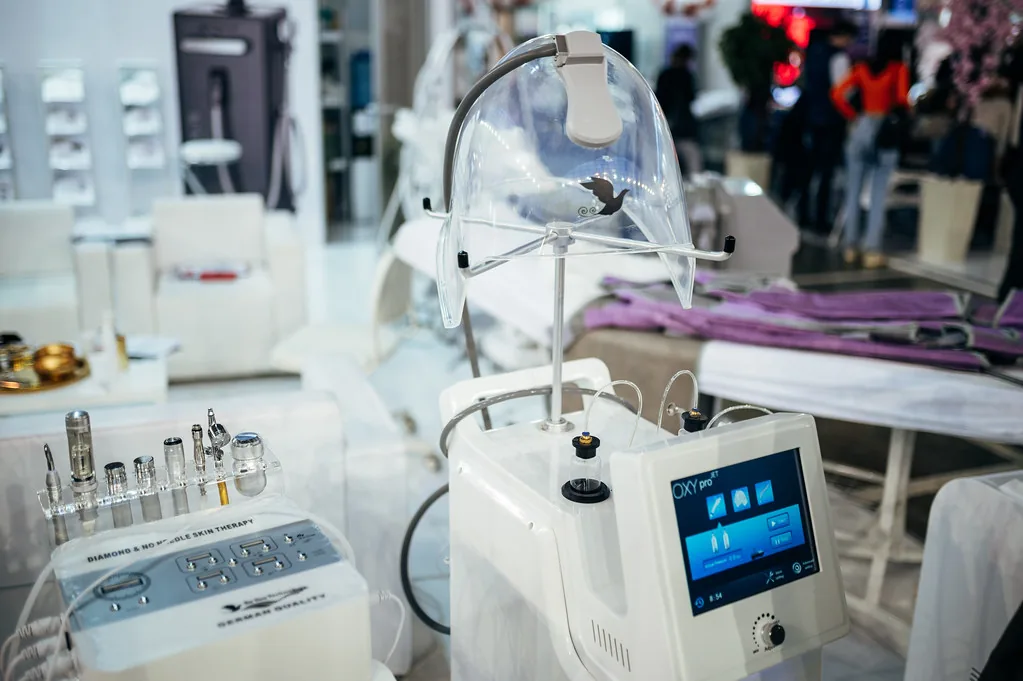
A multi-step device that cleanses, exfoliates, extracts and hydrates the skin in one session with no downtime.
Photo: Ivan Radic (CC BY 2.0)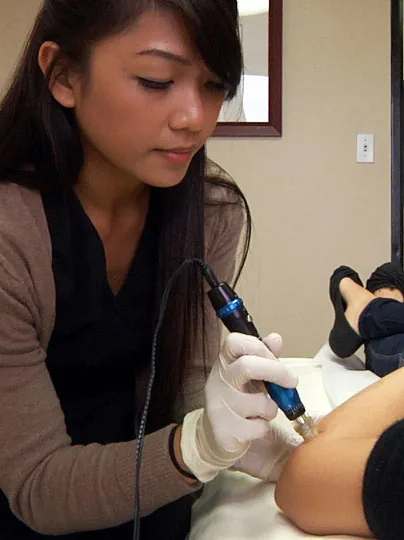
A microneedling pen that makes controlled micro-injuries to stimulate the skin's own collagen production.
Photo: SurgicalPhotos (CC BY-SA 4.0)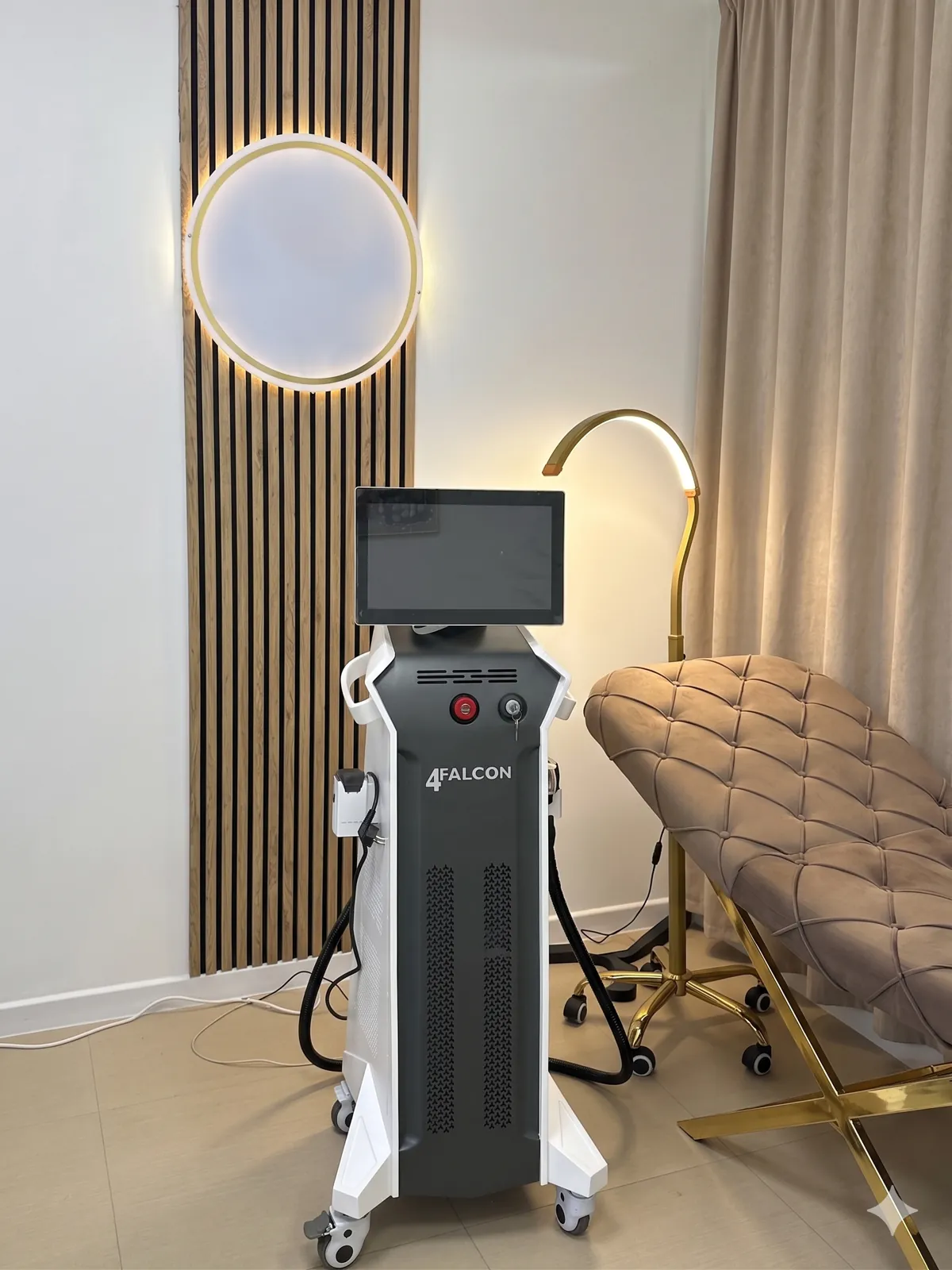
A medical laser whose type and settings are chosen for your skin and hair after assessment.
Photo: Tugay Editör (CC BY-SA 4.0)The rooms and monitoring that make supervised procedures and infusions safe.
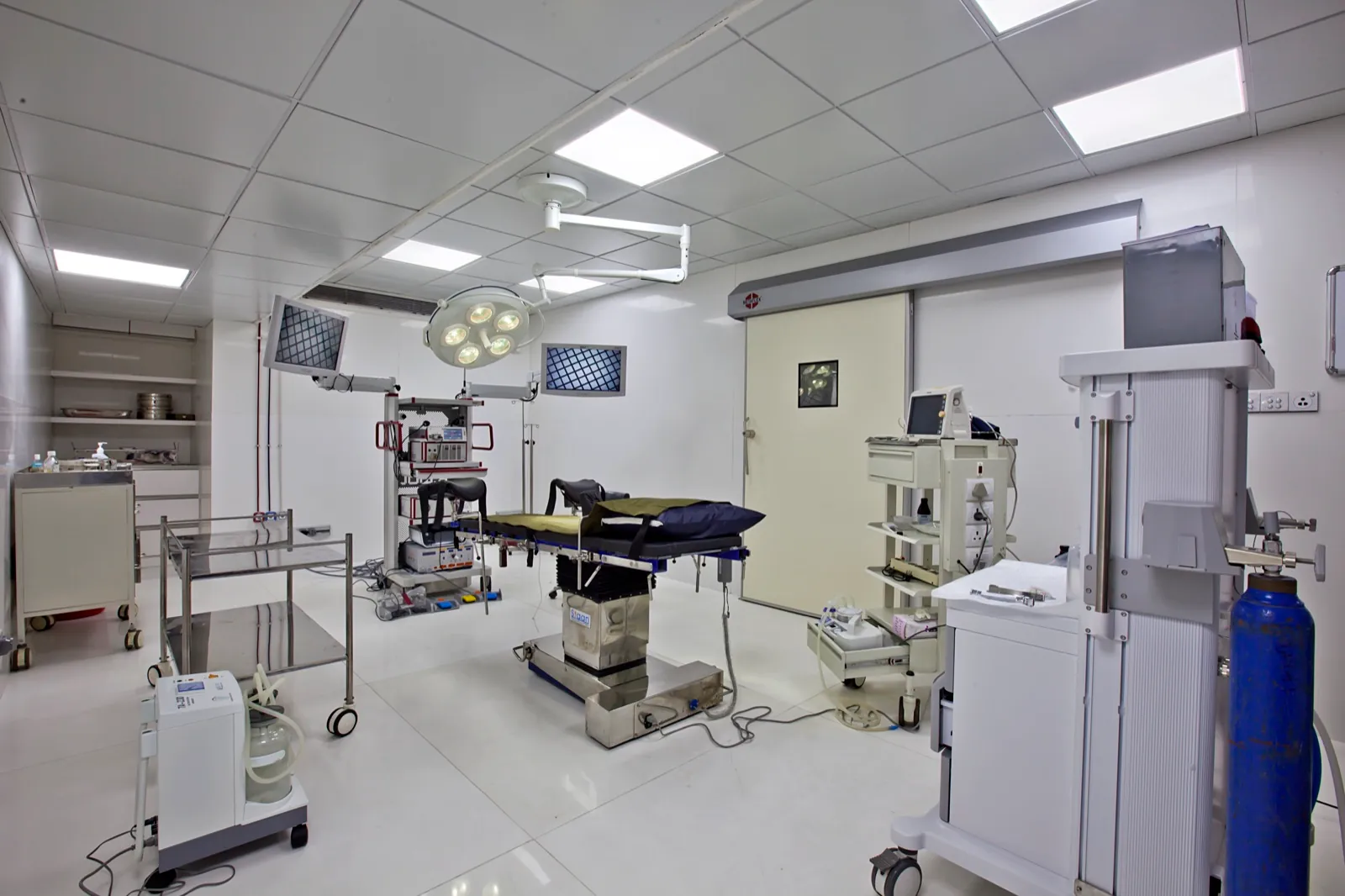
A fully equipped operation theatre, including monitoring, anaesthesia, and surgical support equipment.
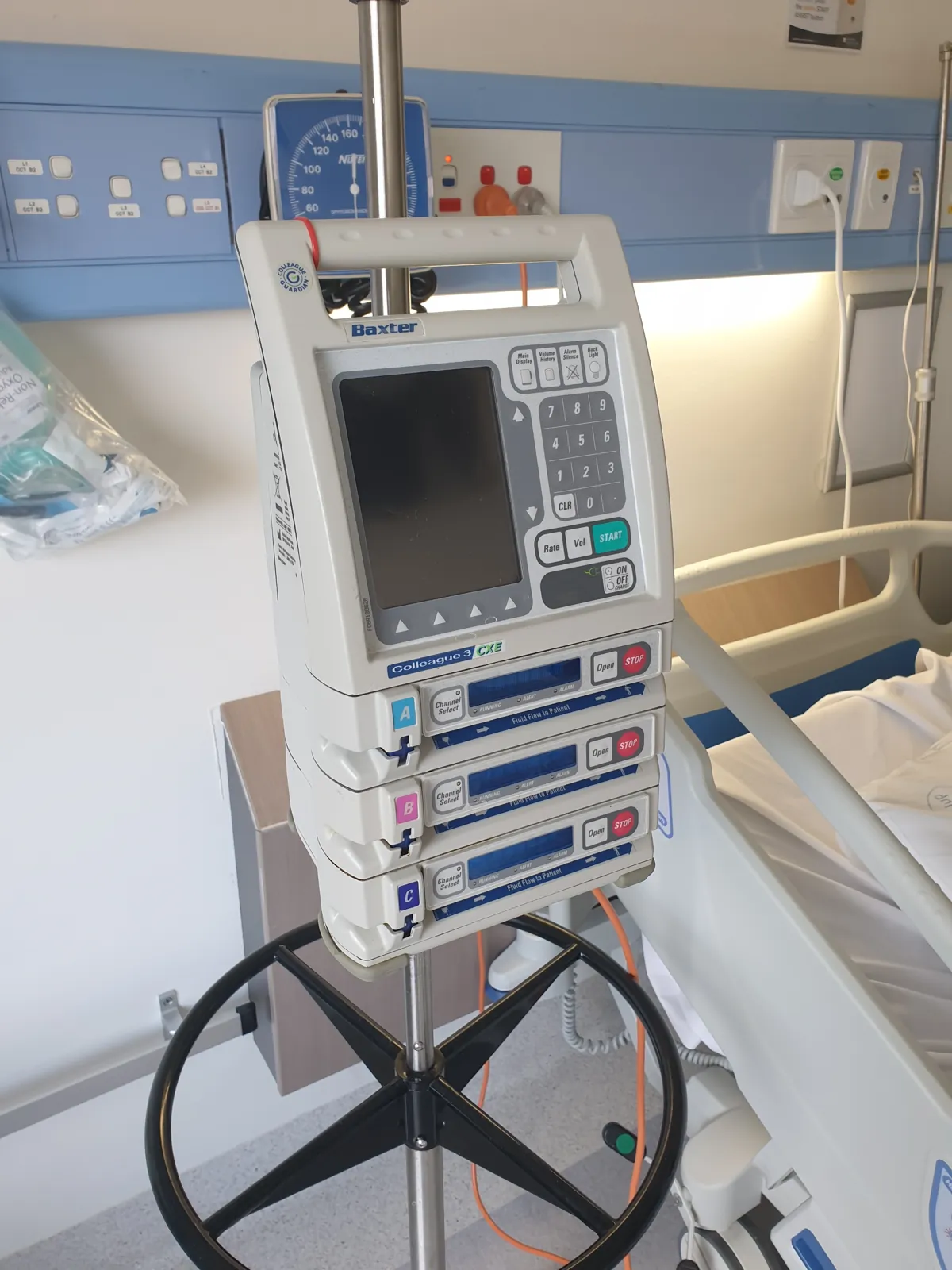
Peripheral IV lines given in a monitored setting, with vital signs watched by a nurse or physician throughout.
Photo: Orderinchaos (CC BY-SA 4.0)Safety standards
Every device is operated by staff trained and credentialed for it. No technology is used outside its approved indication, and nothing is administered without an assessment first.
You're walked through what a technology does, what it doesn't, and the alternatives before consent is asked. You may decline or pause at any point.
Assessment and diagnostic data is handled under our Privacy Policy, with access limited to your care team.
Standard clinical infection-control protocols apply across all equipment and treatment rooms, reviewed as part of our ongoing quality posture.
What technology does not do. No device or diagnostic tool at Unfold Longevity replaces a qualified clinician's judgment, guarantees a specific outcome, or substitutes for a structured assessment. Care remains individualized, and outcomes vary.
All 17 devices across diagnostics, recovery, skin and clinical support, each linked to the treatment it's used for.